Discover the attractions
The garden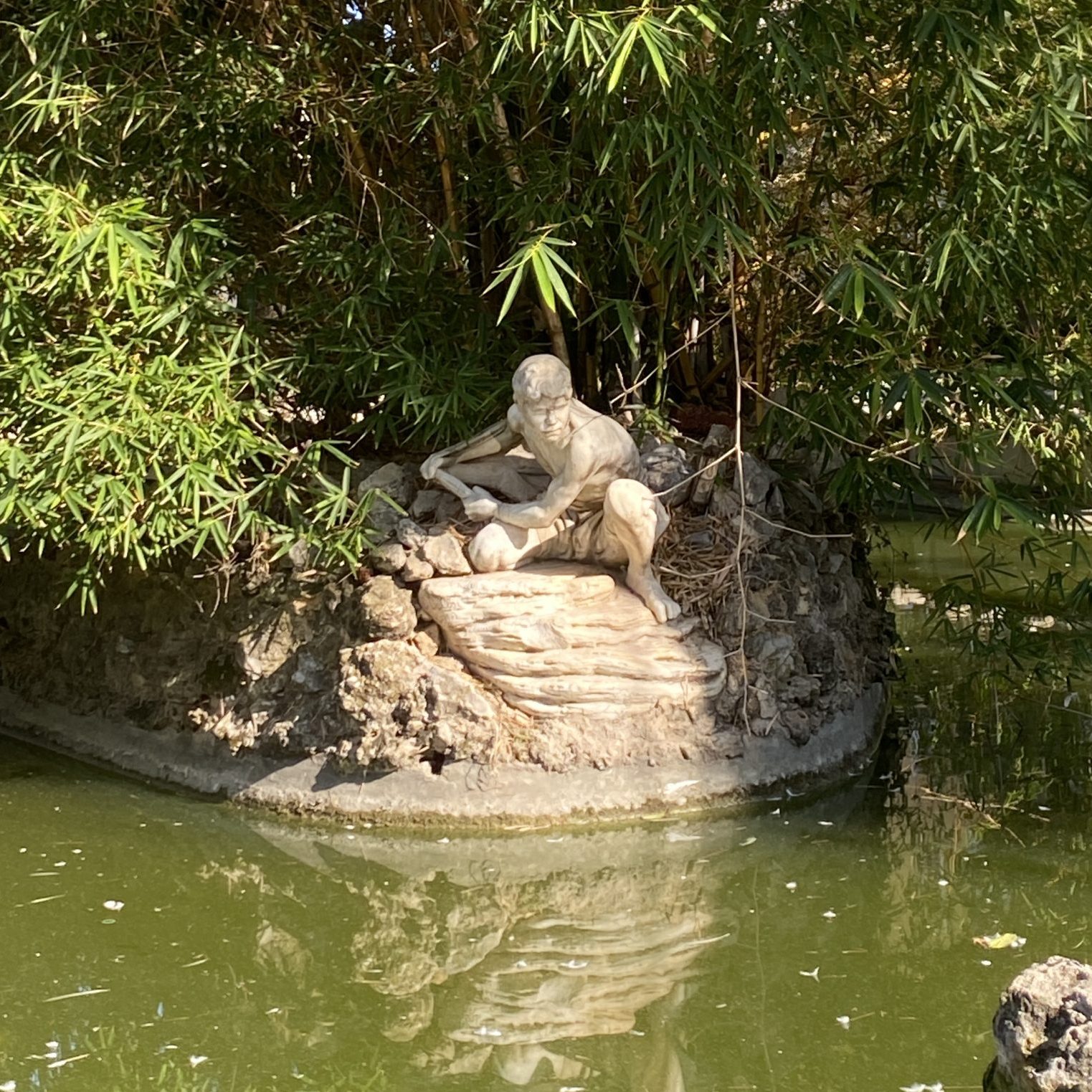
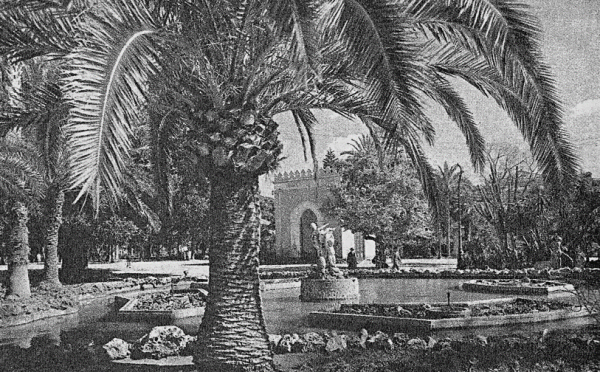
The Piersanti Mattarella Park (formerly the English Garden) with the Falcone-Morvillo Parterre (formerly the Garibaldi Garden) is one of the historic gardens of Palermo. It is located between Via della Libertà, Via delle Croci and Via Duca della Verdura in Palermo and covers an area of almost six hectares. The landscape of the English Garden of Romantic Inspiration was designed and created between 1850 and 1853 by the young Giovan Battista Filippo Basile in collaboration with Carlo Giachery and the director of the Botanical Gardens, Vincenzo Tineo. Inside there is a rich inventory of rare species of trees, architecture and sculptural groups, which creep along the organic paths according to very particular views, perspectives and visions, making this garden a unique place of enchanting beauty.
Unmissable
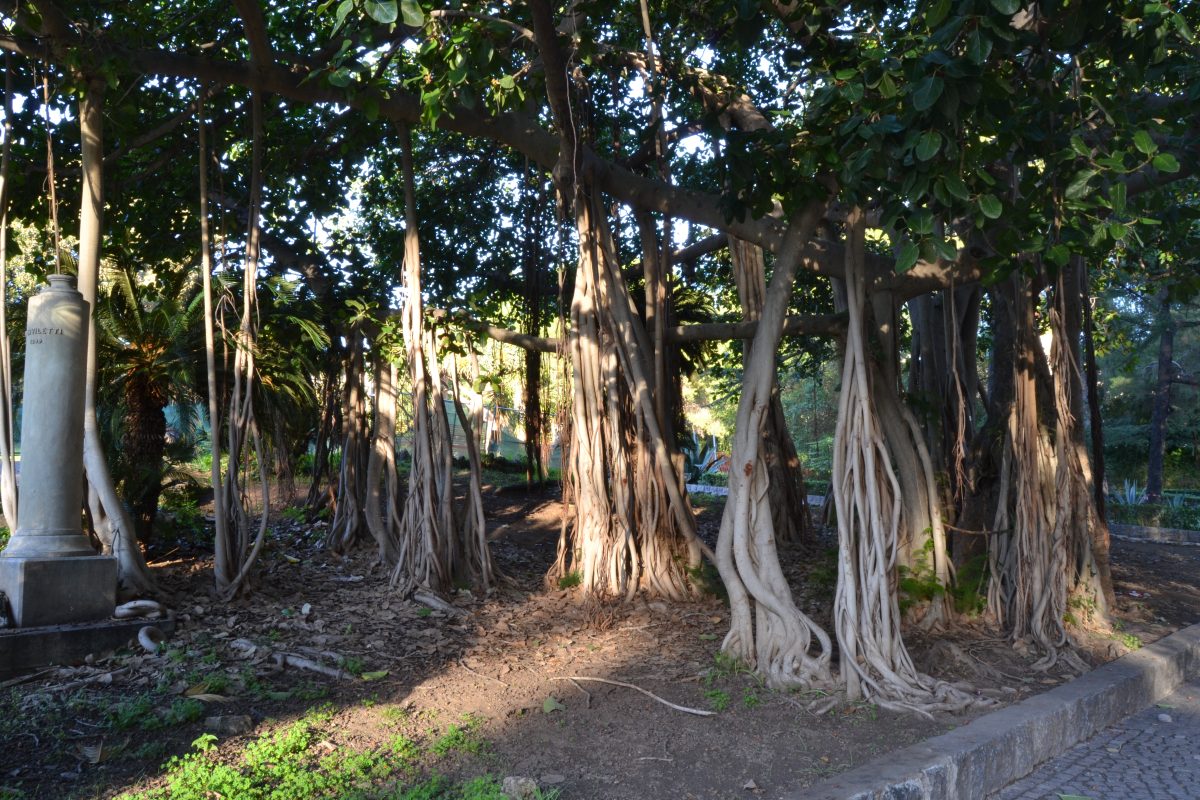
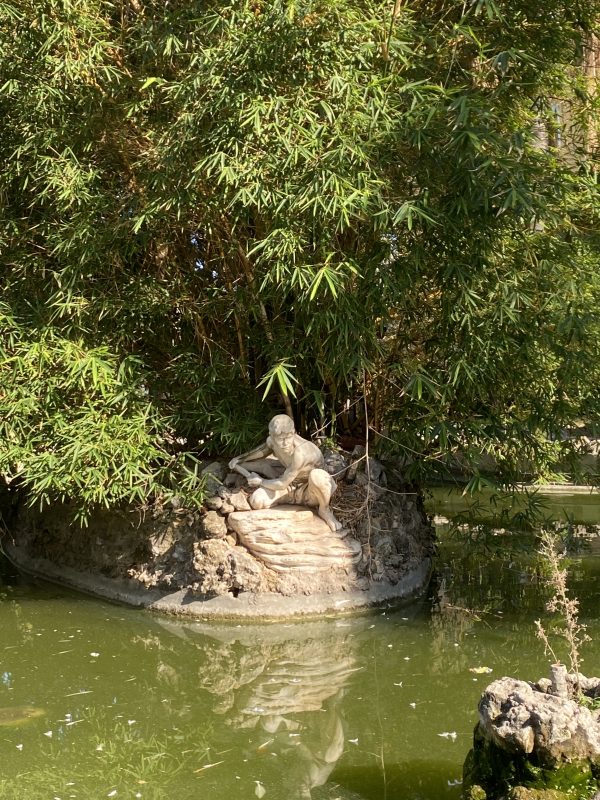
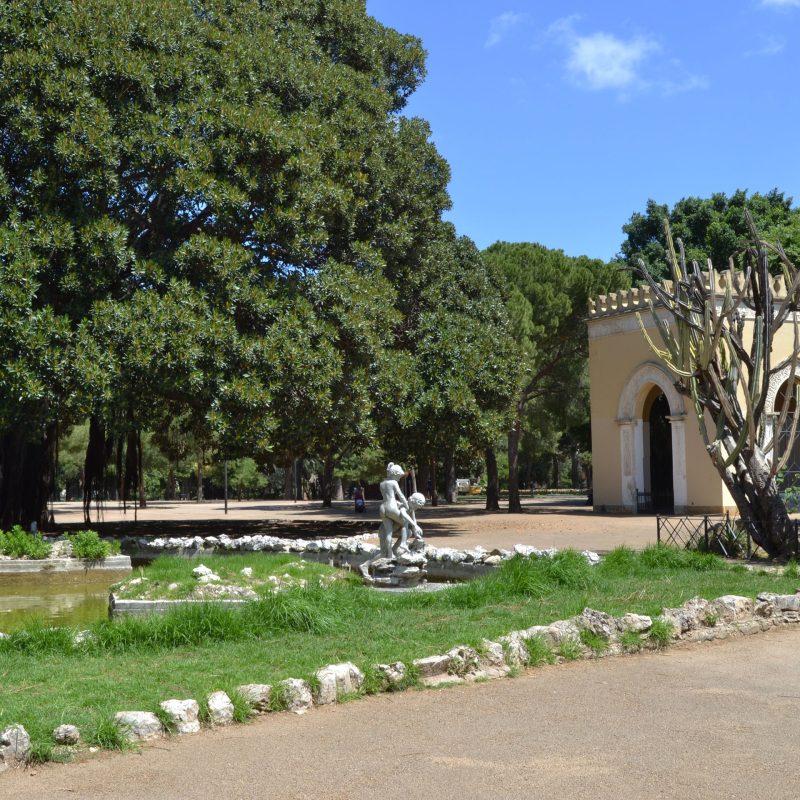
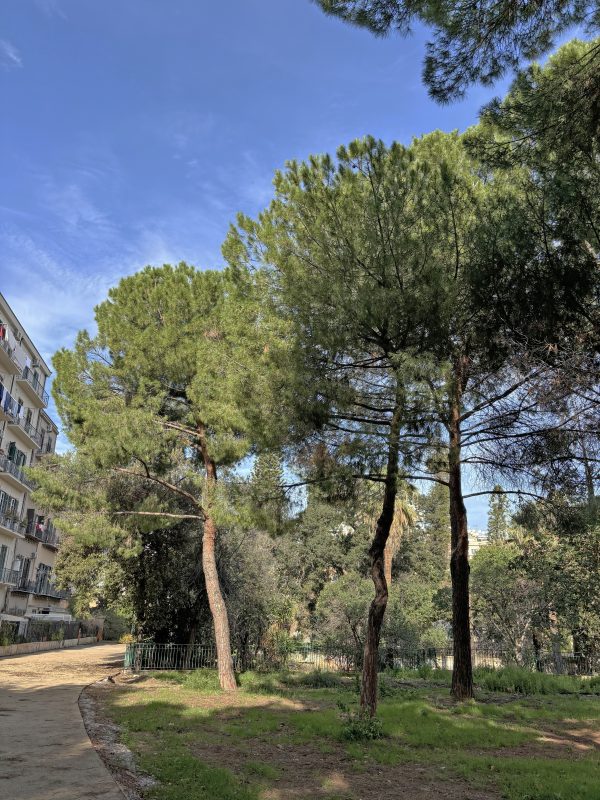
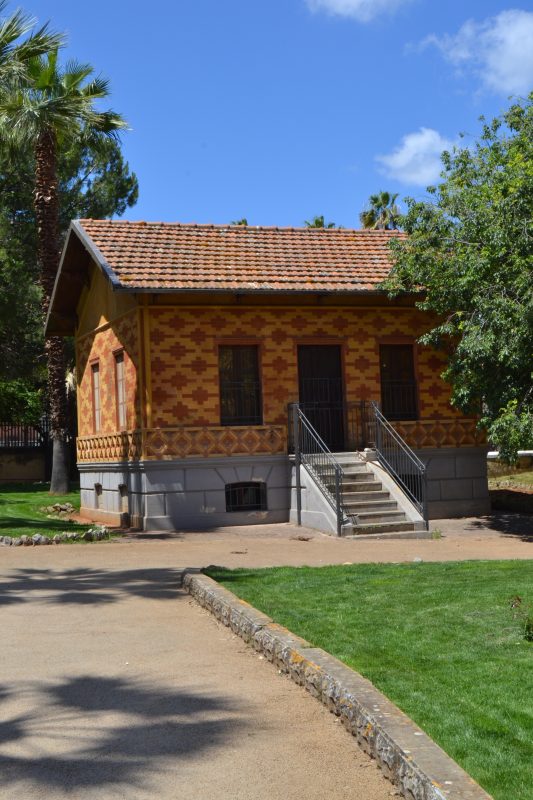
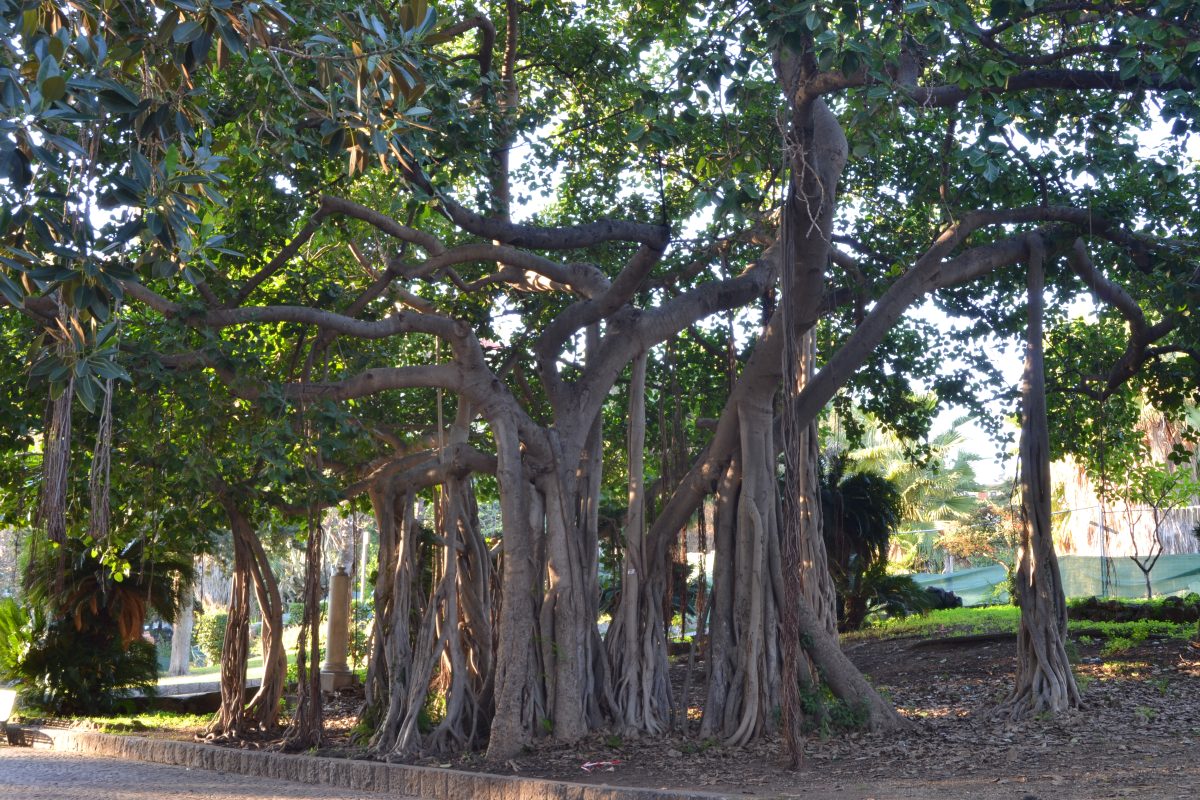
“Unmissable” inside the Piersanti Mattarella Park and the Falcone-Morvillo Parterre, is the extraordinary interweaving of nature, art and architecture: the Monumental and Historical tree species; the variegated Pine Forest; the exotic Palm Grove and the rare and precious Ficus trees.
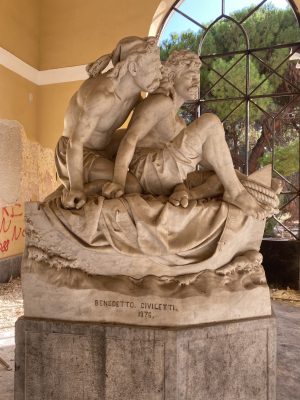
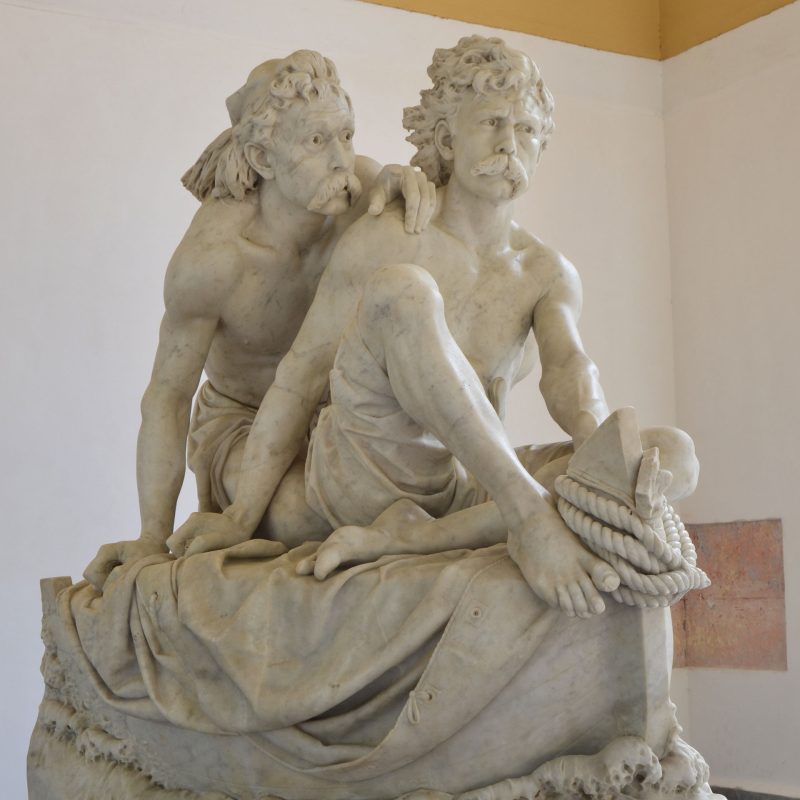
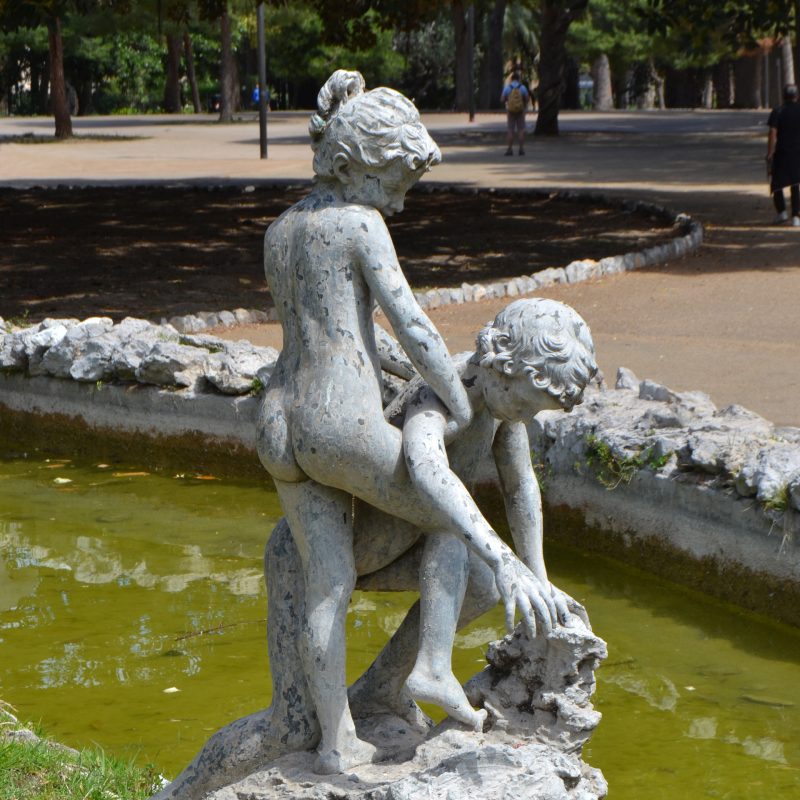
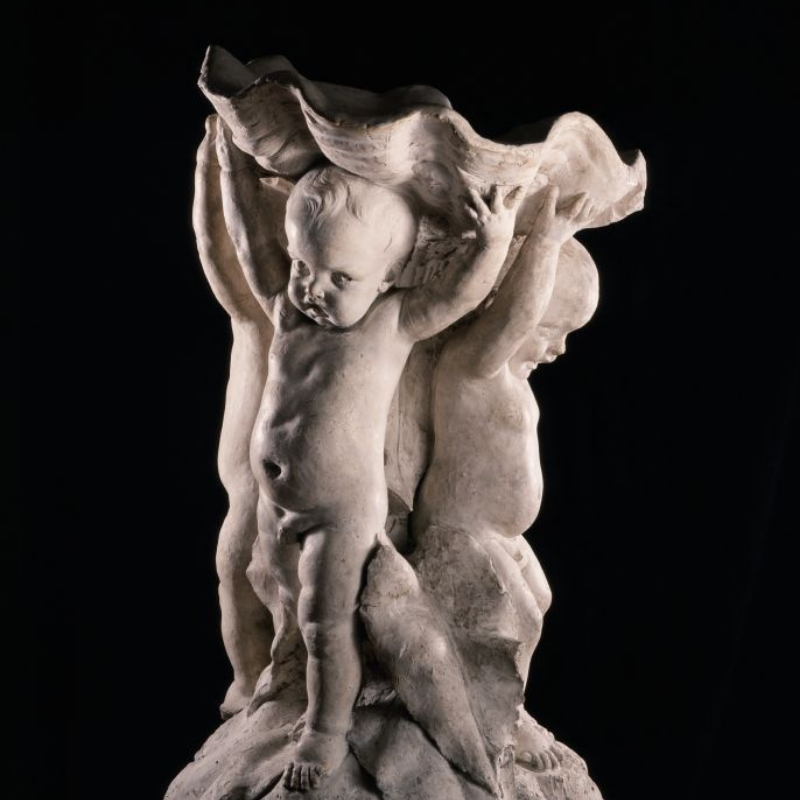
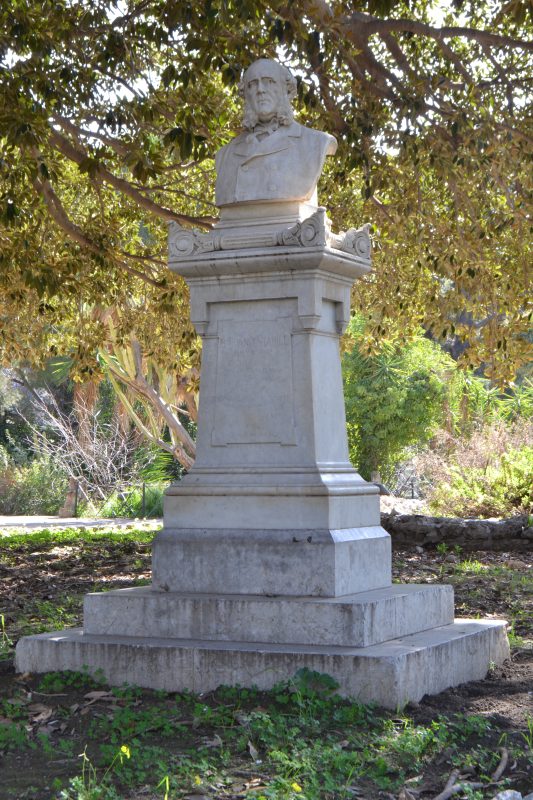
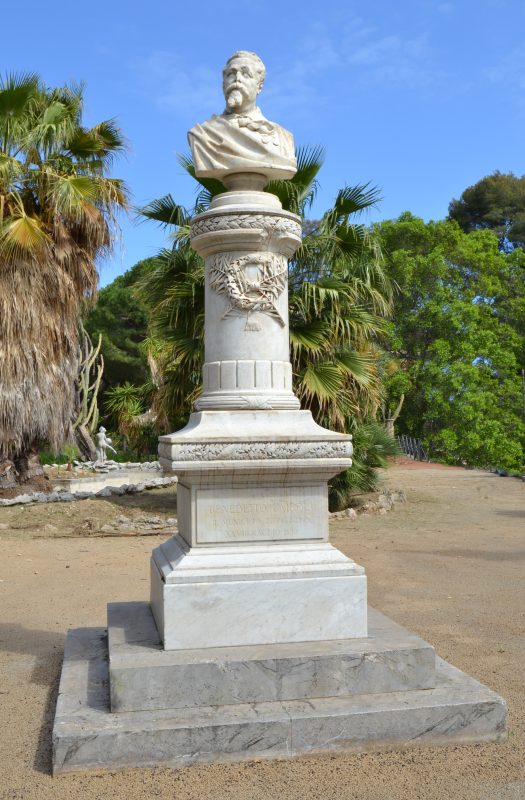
There are outstanding sculptural works by famous Sicilian masters, including: the bust of Edmondo De Amicis by Mario Rutelli; the bronze statue of the Piccola vedetta Lombarda by Giovanni Nicolini; the bust of Pirandello by Antonio Ugo and many others.
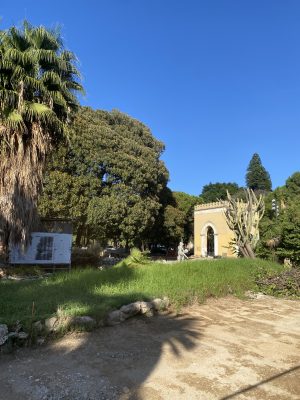
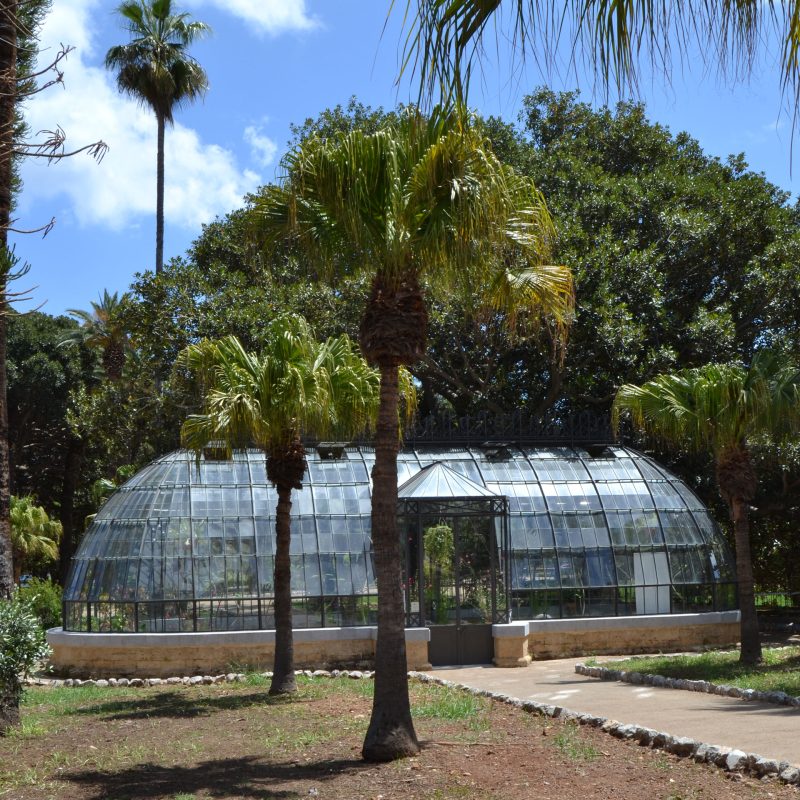
The original Saracen Tower, the Hut and the restored Serra.
An itinerary that combines the natural beauty of the vegetation with important artistic and historical testimonies, offering visitors a unique experience.
Greenery
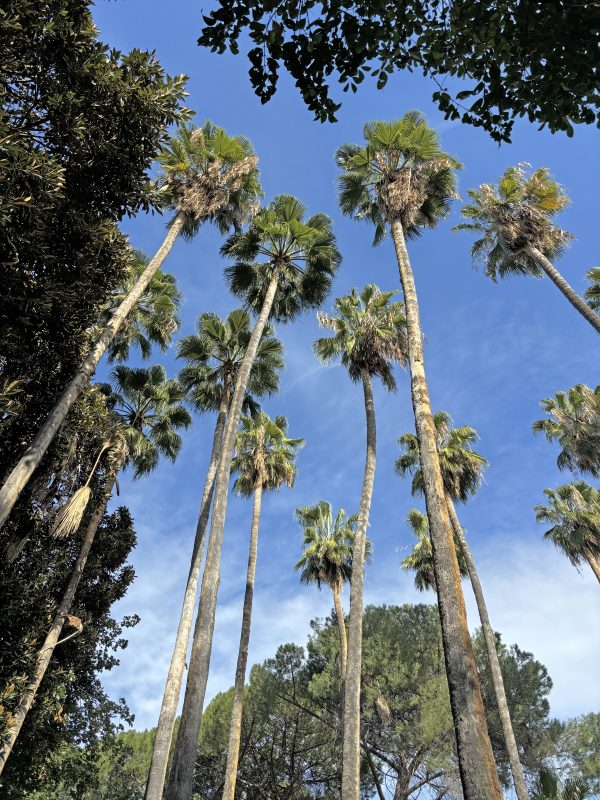
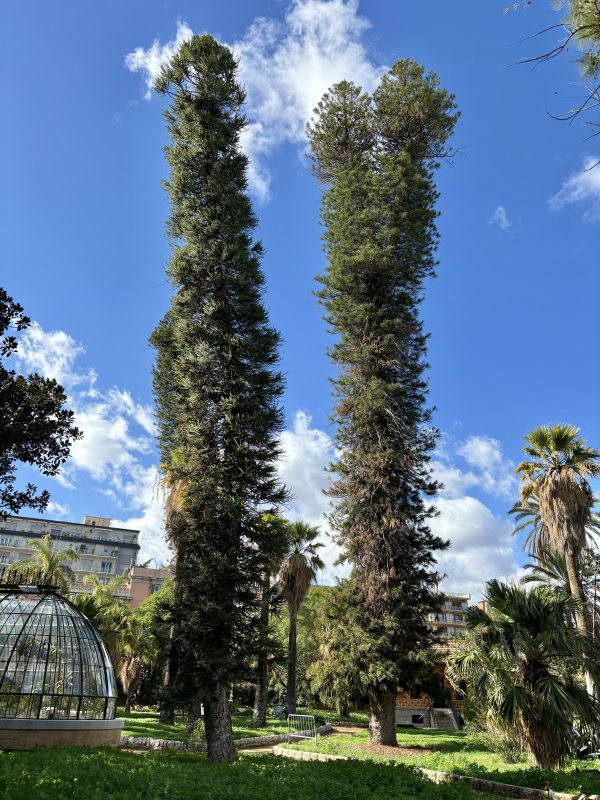
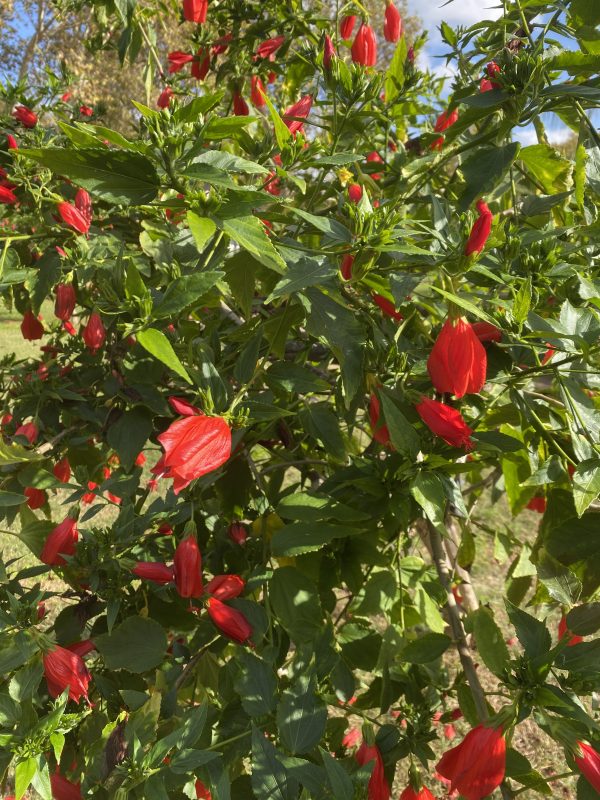
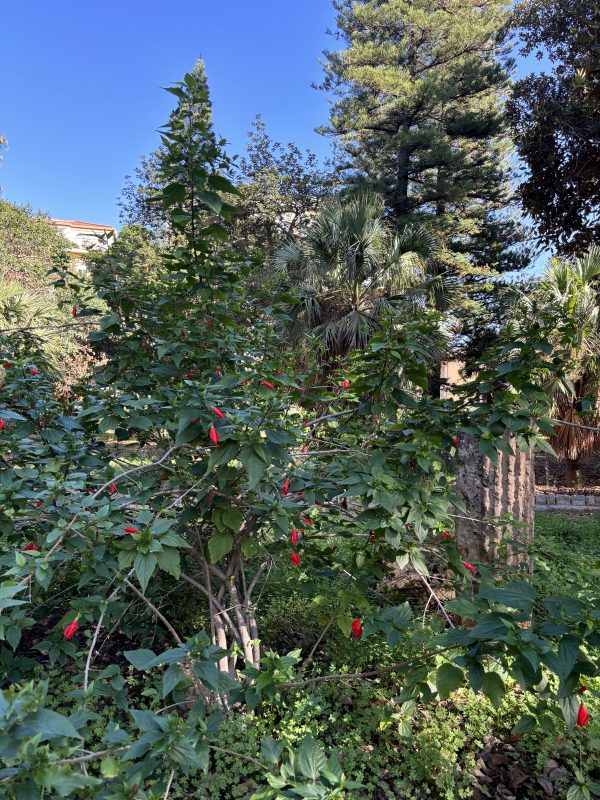
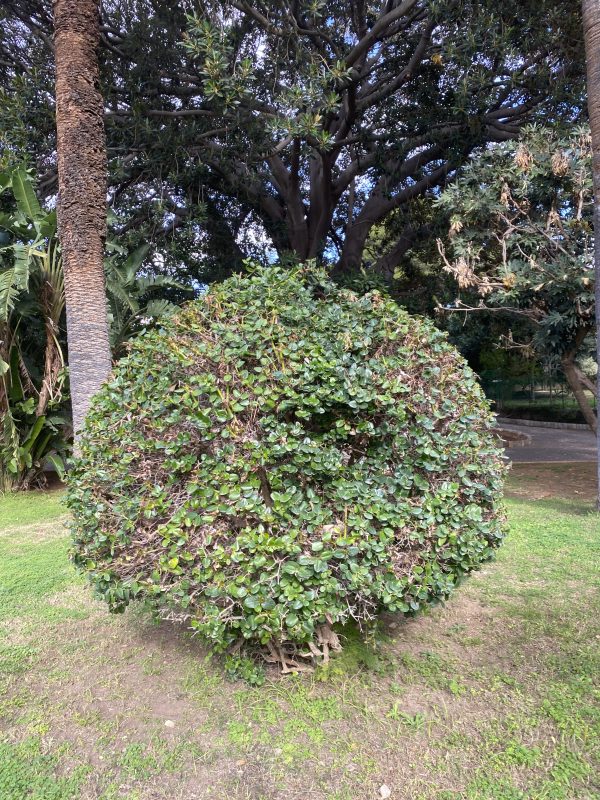
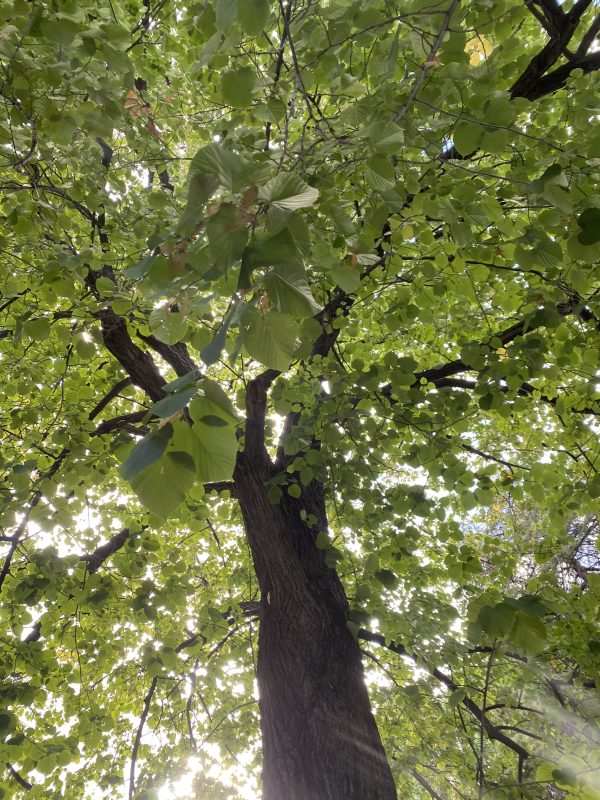
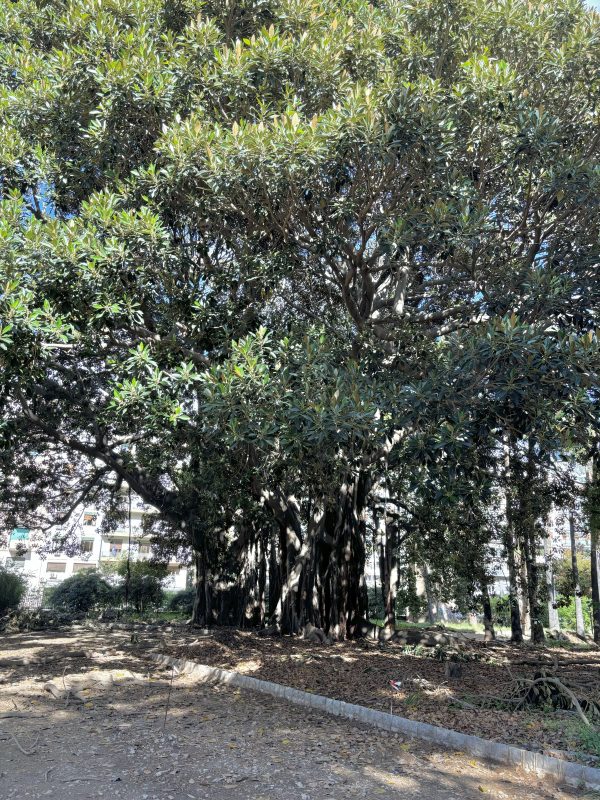
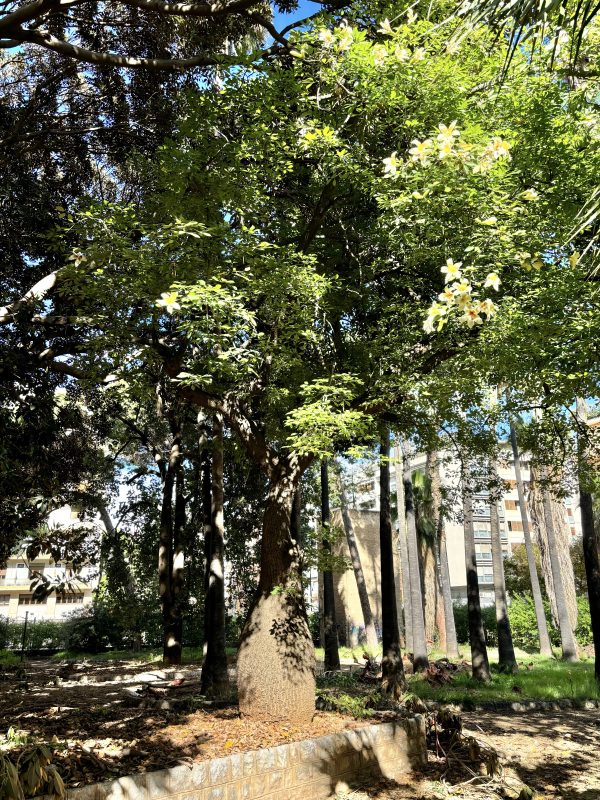
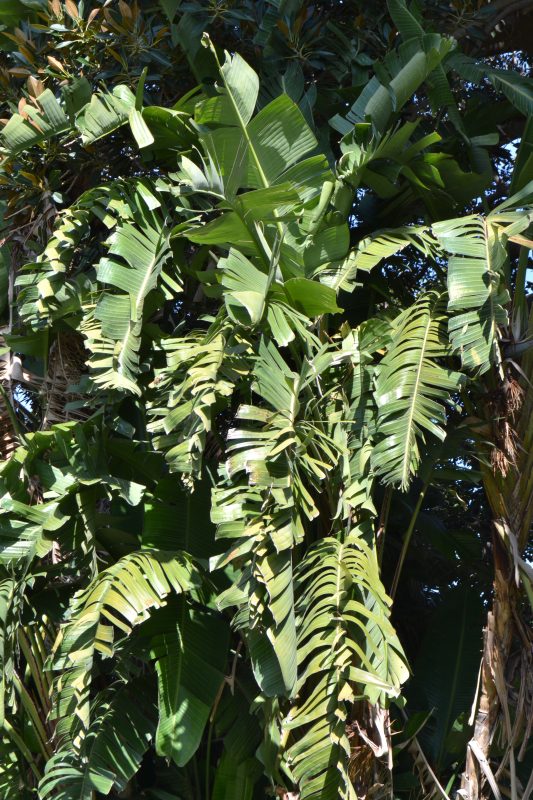
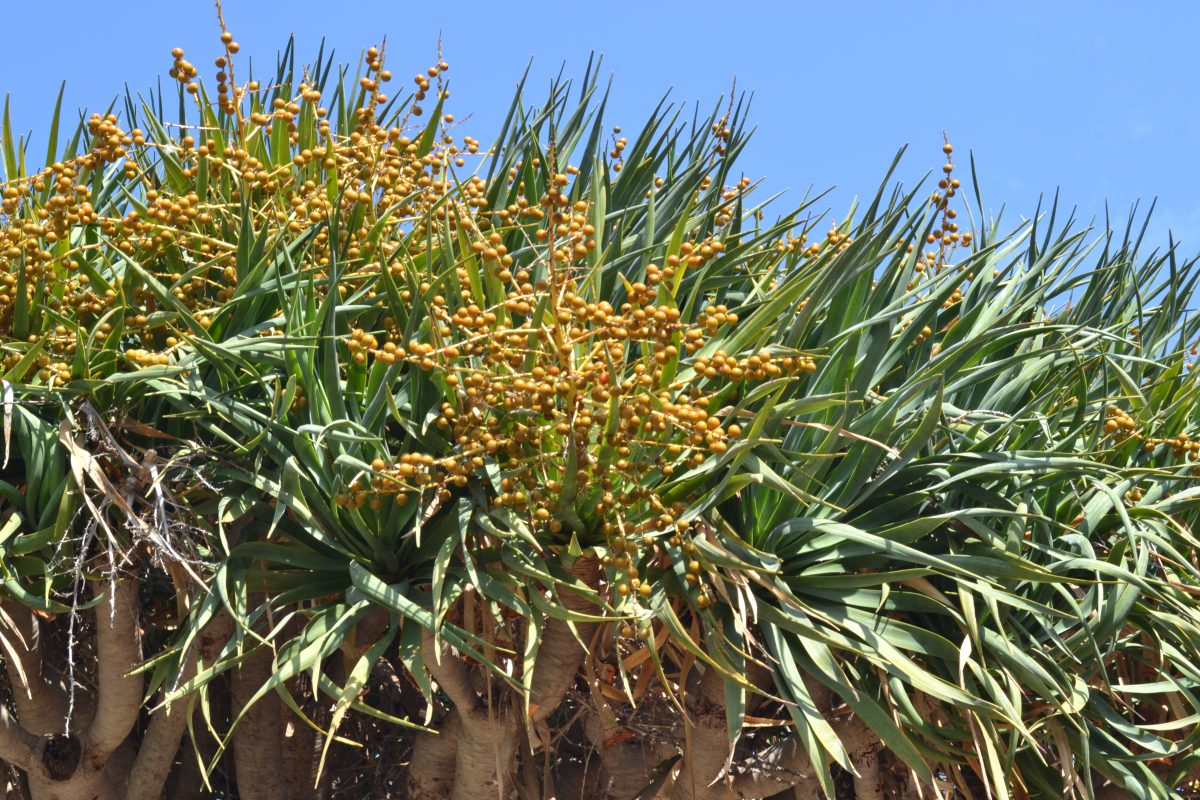
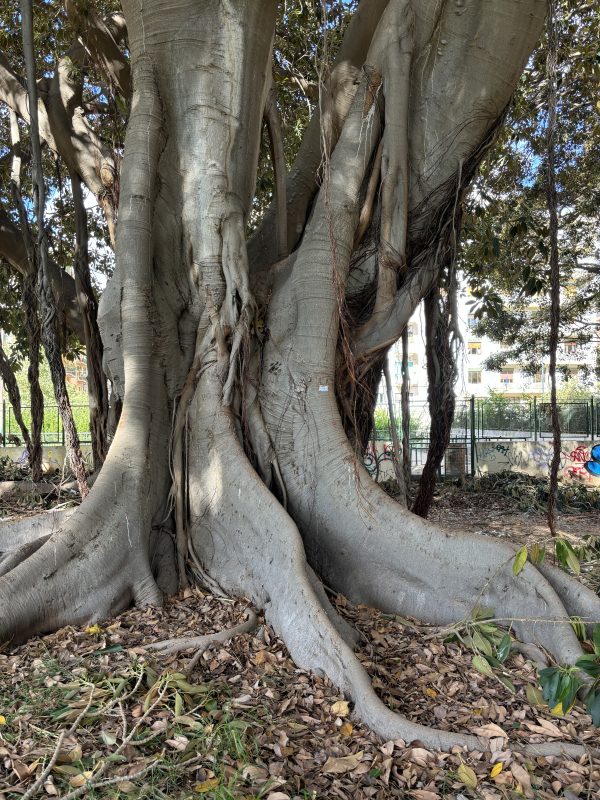
The English Garden of Romantic inspiration, is characterised by avenues forming a system of winding paths which define the flower beds. Inside there is a rich and varied vegetation of rare and mostly exotic species. They were placed in the garden thanks to the collaboration between G. B. Basile and the then director of the Botanical Garden of Palermo, Vincenzo Tineo. The arboreal components include highly significant species of the entire city’s arboreal heritage.
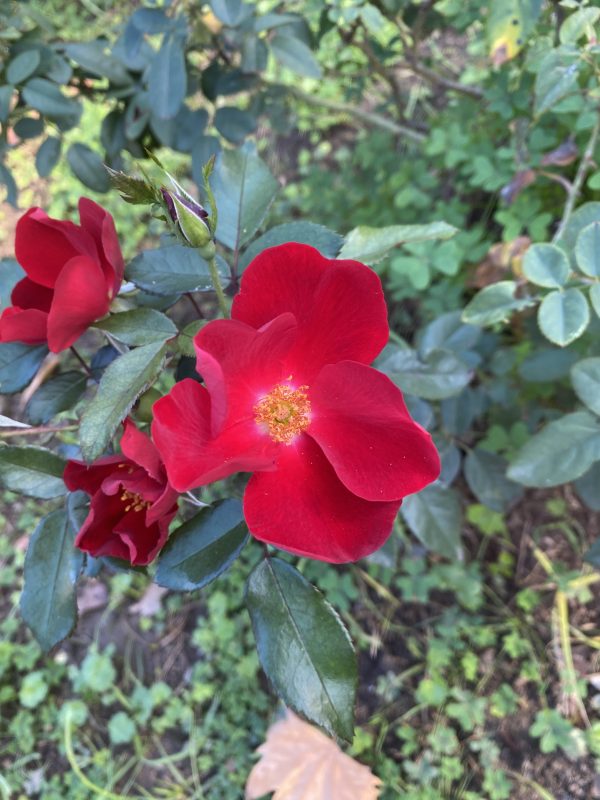
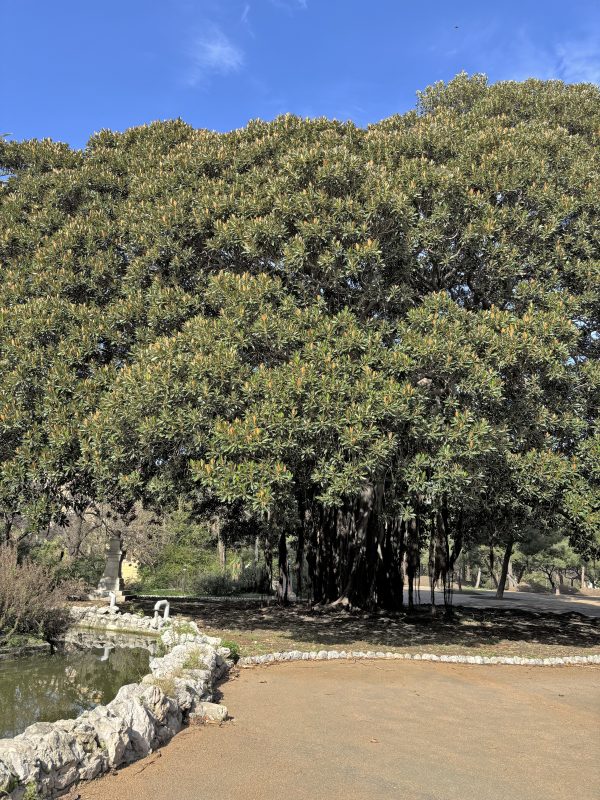
These include the majestic Ficus benghalensis L. and Phytolacca dioica (L.) Moq. both registered in the MiPAAF National Inventory as Monumental Trees. The large specimens of Ficus macrophylla f. columnaris (C. Moore) D. J. Dixon and Ficus microcarpa L. f., the rare species of Araucaria, A. luxurians Brongn. & Gris de Laub. and A. columnaris (Forst. f.) Hook.; as well as the great variety of palm species and the Rosa indica, still present, hypothetical to the approximately 2400 rose plants purchased and planted at the time of the construction of the garden.
Architecture
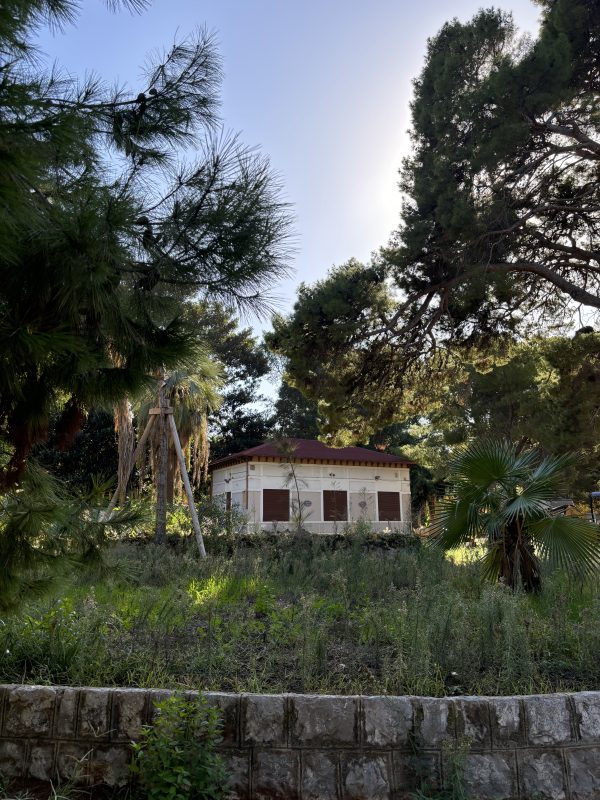
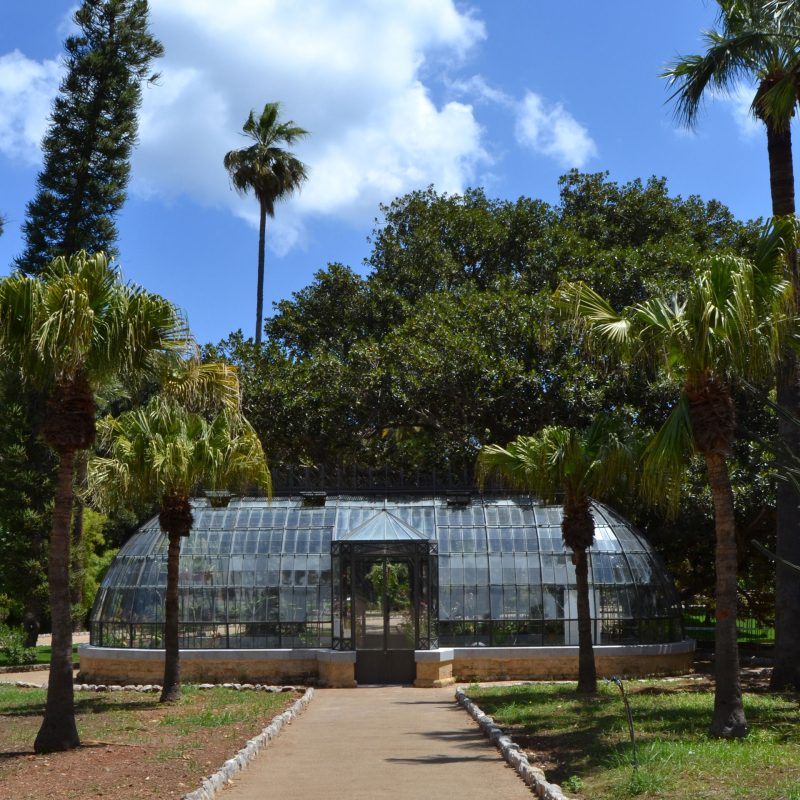
The Hut, the Cottage, the Saracen Tower and the Greenhouse are architectures of historical-architectural value within the English Garden. They are small constructions, pavilions, originally conceived as architectural elements that were to mark and identify each of the seven promontories, which developed according to the irregular course of the terrain and have undergone various modifications over time.
Sculptures
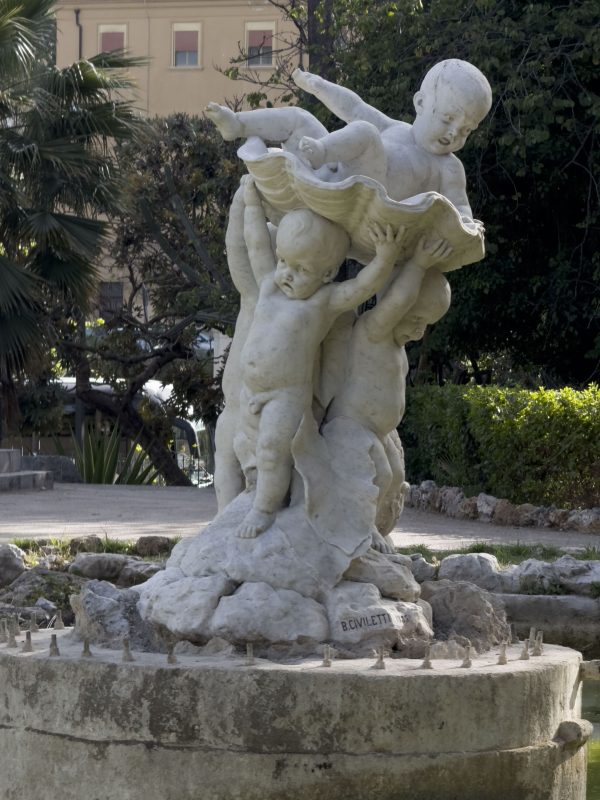
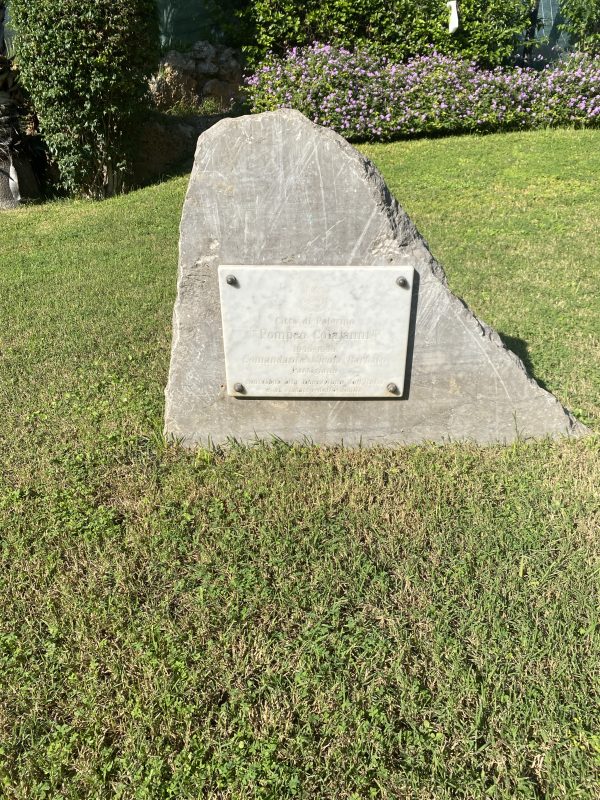
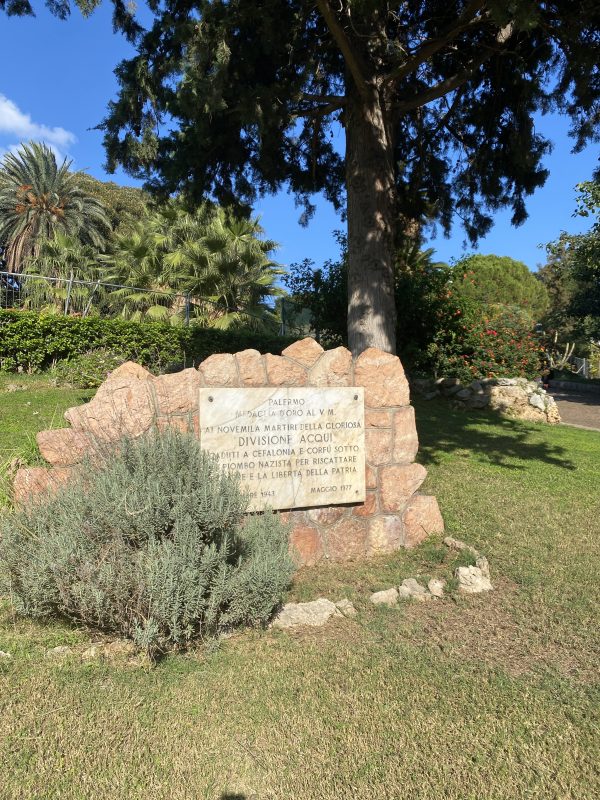
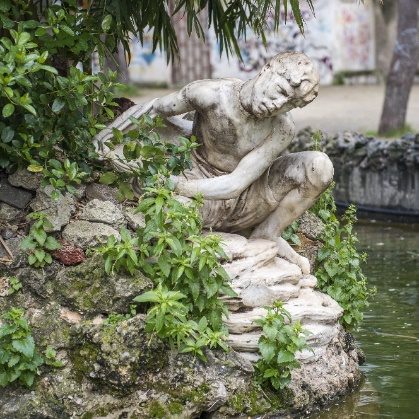

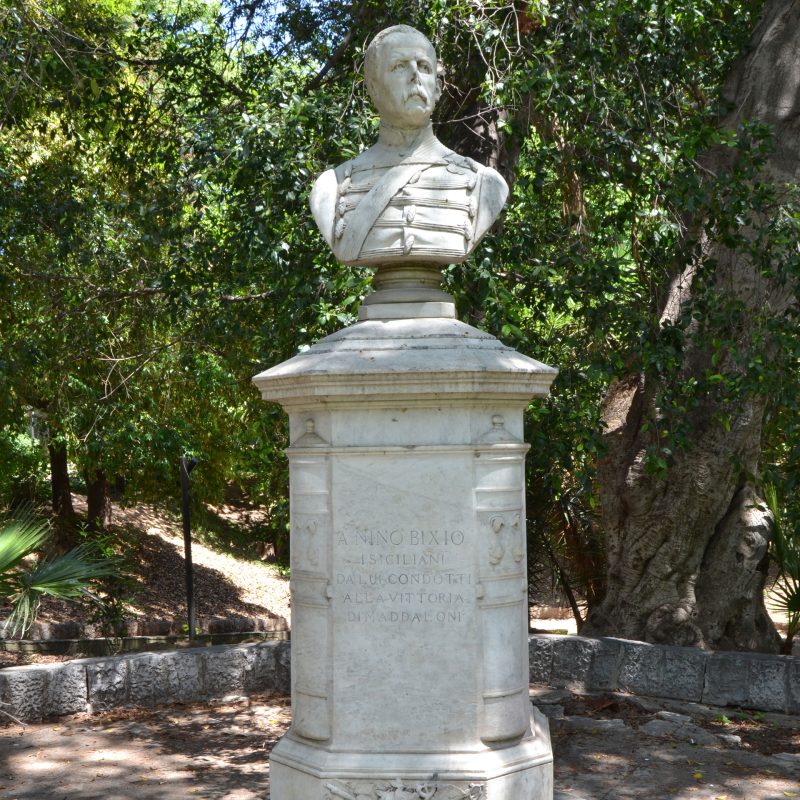
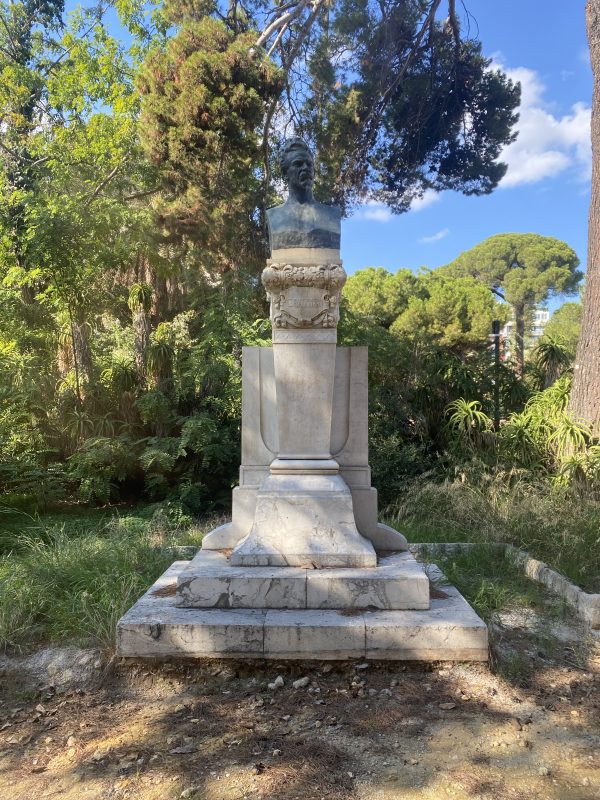
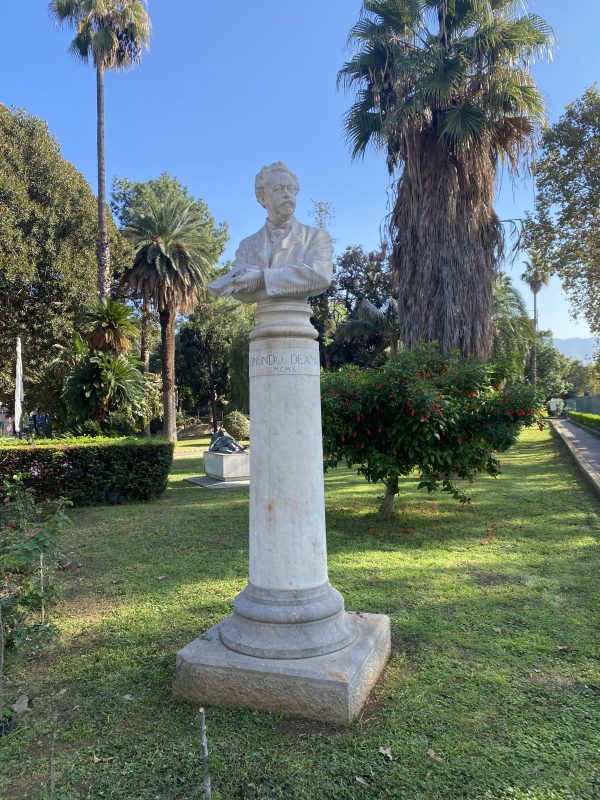
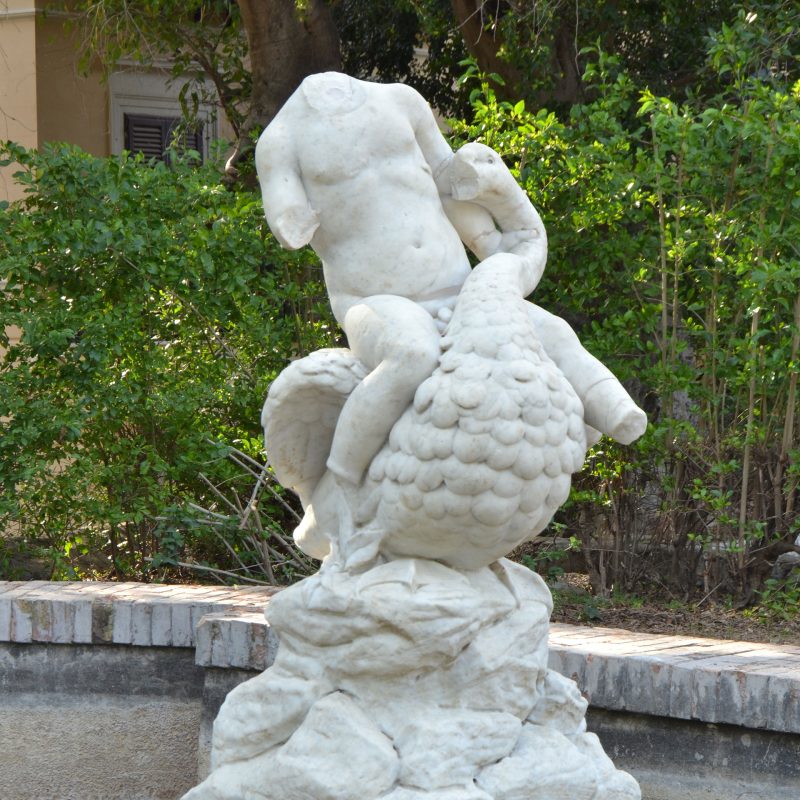
The layout of the garden is the result of an ingenious architectural operation by Giovan Battista Basile, who invented the views and perspectives of an urban park designed for strolling and getting lost in, where the artificiality is part of the natural design of the garden itself. There are many sculptures, commemorative steles and busts, works by the best Sicilian sculptors.
Trail for the visually impaired
A tactile path made of colored porcelain stoneware podactyl discs, suitable for the blind and visually impaired, will take you on a journey between art and nature.
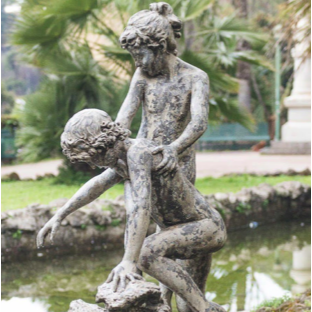
Monumental Trees shade the path, and small stops welcome you into the heart of the garden among the magic of the pond and ancient sculptures to the grove of pines and the great Ficus.
Braille panels and QR codes will allow you to access the web to hear and discover the wonders in the park.
Activities and Services




The English Garden is a place accessible to all without barriers, to be visited by the whole family; an inclusive environment where you can stay and relax in direct contact with nature, taking advantage of the services, events and activities specifically organised for visitors.
Following a circular strategy, linked to the plant systems and the dynamic and evolving concept of nature, the Garden promotes a series of activities aimed at raising the awareness of all users, especially the new generations, to appreciate and take care of the precious landscape and environment that surrounds the entire Park.
To this end, the Fablab workshop, run by students from the Liceo Artistico E. Catalano in Palermo, runs a permanent creative activity in the Hut inside the park.
Other services offered by the garden to visitors include the House of Water Lilies, the ice rink, the refreshment area, the playground and the toilets equipped for visitors with disabilities.